PROPHETIC IMAGINATION

Nashville, in the years of the lunch-counter sit-ins. A man pushes through a crowd, puts his face close to Reverend James Lawson’s, he spits in Mr. Lawsons face, and calls him the N-word.
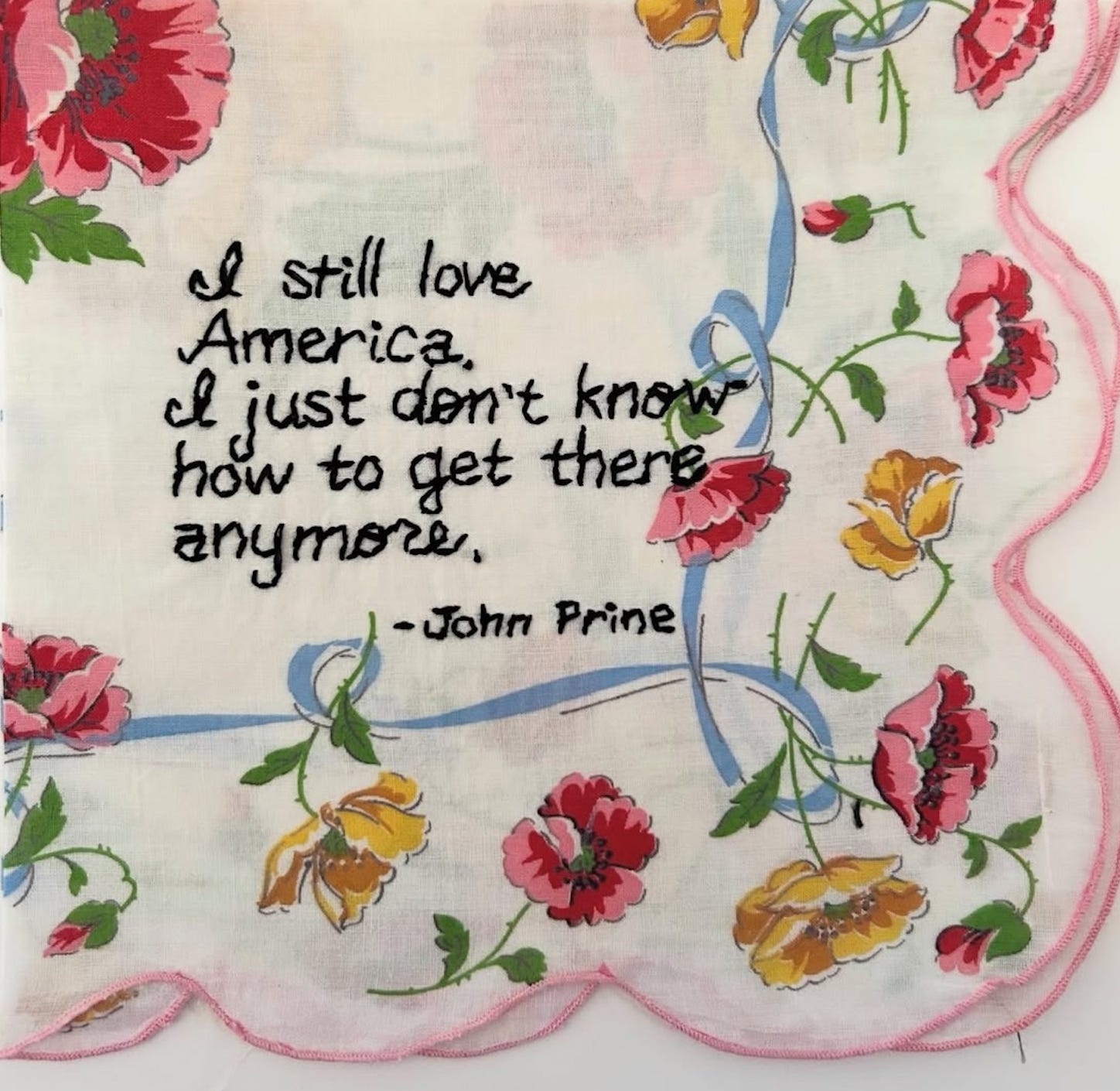
The spit is still running down Mr. Lawson’s cheek when he looks the man in the eye and asks — calmly, almost as if they were old friends — whether he might borrow a handkerchief.
The man, thrown completely by such a surprising question, instinctively reaches in his pocket and hands one over. Lawson wipes his face. Then he notices the mans leather jacket, and the motorcycle parked nearby, and he asks about it. What’s the horsepower? Another technical question or two, and the man starts explaining what he’s done to customize the bike. This encounter that began in conflict and contempt ends, a few minutes later, with the man asking if there is anything he can do to help Reverend Lawson out.
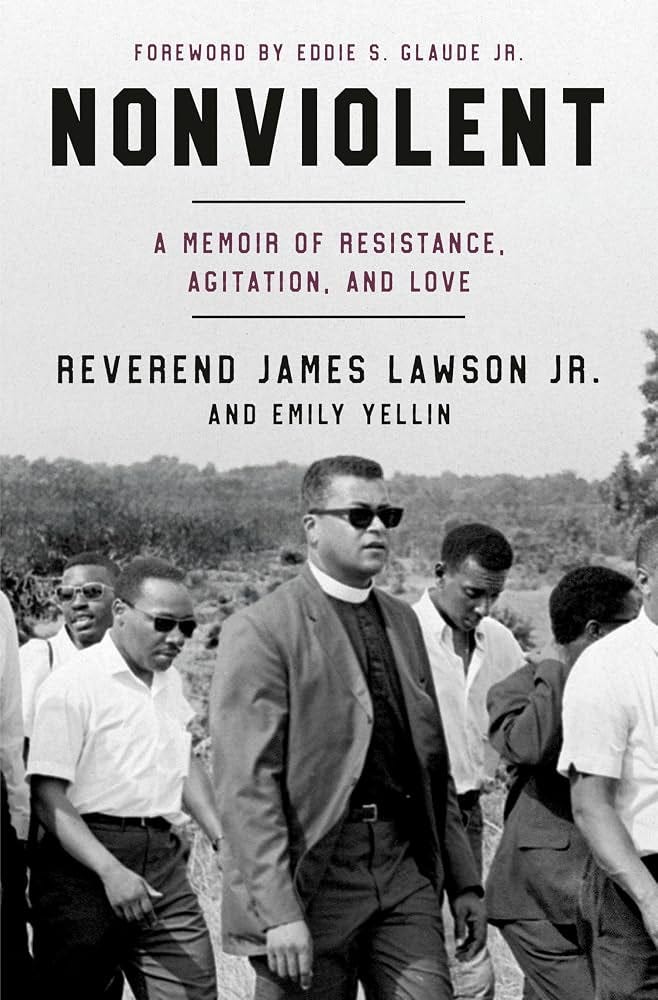
James Lawson was the civil rights movement’s foremost teacher and strategist of nonviolent civil resistance, he is the man who trained icons like John Lewis, Diane Nash, and a whole generation of organizers in Nashville church basements before sending them to the counter sit-ins to publicly express their civil dissent. He died in 2024, at the age of 95. This handkerchief story is one that many people tell about him, to keep his memory and philosophy active in our minds and actions.
I heard this particular version of the story from David Dark, the Nashville writer and professor. Dark was in the room with Reverend Lawson, years later, when he himself told the story to a group of people. And David raised his hand to ask a simple but very poignant question: “how do you become the kind of person to whom it would even occur to ask for a handkerchief in that kind of a confrontational moment?”
Lawson’s answer: you keep in your mind, at all times, the imagery of infinite possibility.
Dark has some language that he uses to describe that kind of faculty. He calls it “a poetic, prophetic, internal imagination.”
This phrase points back to another noteworthy thinker, the theologian Walter Brueggemann, whose 1978 book The Prophetic Imagination argued that The Prophet’s real work in the world is not prediction, and it is also not protest. The Prophets primary function is holding open a vision of an alternative reality — nurturing it, insisting on it — precisely when the dominant order swears that no other alternative exists. The Prophet refuses to let the present tense have the final word. The Prophet creates space for infinite possibility.

Lawson himself established within himself a specific capacity to create connection. Not in the heat of a heightened moment, but well before it.
The handkerchief was not a well trained de-escalation tactic that he reached for under fire. It was the output of an interior world he had already built up over time, a world in which the man spitting on him was not a fixed enemy but a person who is not yet finished becoming. This maneuver was available to Lawson because his imagination had created the space for it to exist.
We tend to treat peacemaking as an event. A summit. A negotiation. A handshake staged for cameras. But the handkerchief story suggests something much deeper and slower: that the real work is the construction of intentional interior architecture, work done long before any crowd forms. You cannot improvise infinite possibility after someone spontaneously (and angrily) spits in your face. You either carry it within you already, or you don’t.
I believe we are heading into a conflict-laden stretch of history. In fact, we’re already in it now. And if that’s true, the most useful preparation may not be sharper arguments or better tactics for the moment of confrontation. It may be the patient and methodical cultivation of an inner world spacious enough to keep seeing the other person as unfinished — as still capable of handing you the handkerchief, and then offering their help.
Beautifully stated.
It seems to me that it defines our challenge - "It may be the patient and methodical cultivation of an inner world spacious enough to keep seeing the other person as unfinished — as still capable of handing you the handkerchief, and then offering their help."
Our current (manufactured/manipulated) 'reality' seems designed to make such cultivation uniquely hard.
Almost as if it seeks to demolish our inner world, and leave us with only the shiny, fleeting and performative.
We need a human renaissance more than we need a tech renaissance.
Katie- this really inspires me today!! Beautiful writing and thinking!!